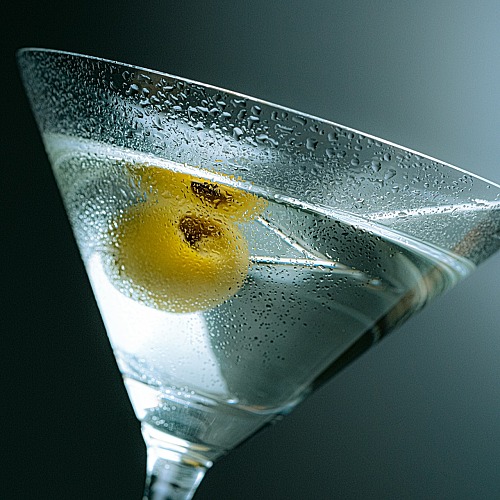
If you enjoy a glass of wine with dinner or drinks on the weekend, you may have noticed that your relationship with alcohol shifts on GLP-1 medications. For some people, alcohol becomes much less appealing. For others, its effects seem stronger than before. Here’s what’s going on and what you should keep in mind.
Reduced Interest in Alcohol
One of the more unexpected side effects many people report on GLP-1 medications is a reduced desire to drink. This appears to be related to GLP-1 receptors in the brain’s reward system. The same mechanisms that reduce the pull toward highly palatable foods may also dampen the desire for alcohol.
In fact, researchers are actively studying GLP-1 medications as a potential treatment for alcohol use disorder. Early results are promising. Some clinical trials have shown meaningful reductions in alcohol consumption and cravings among people on these drugs.
For some people, this is a welcome side effect. But it’s worth knowing it can happen so that you’re not caught off guard when you just don’t feel like having a drink.
Alcohol Hits Differently
Alcohol may feel much stronger on GLP-1 medications. Because these drugs slow gastric emptying, alcohol may be absorbed differently into the bloodstream. Some people report feeling alcohol’s effects more intensely or for longer than they’re used to, even with smaller amounts.
Additionally, if you’re eating less overall, having less food in your stomach when you drink further affects alcohol absorption.
The practical implication: Drink more slowly and conservatively than you might have before. Even a single drink may affect you more than expected. Give yourself time to gauge how you’re feeling before having another.
Blood Sugar Considerations
If you have type 2 diabetes, alcohol adds another layer of complexity. Alcohol can lower blood sugar, and GLP-1 medications are already working on your glucose regulation. If you’re on a GLP-1 alongside insulin or a sulfonylurea, the combination with alcohol can raise hypoglycemia risk. Talk to your doctor specifically about alcohol if this applies to you.
Empty Calories and Nutritional Considerations
Alcohol is calorie-dense and nutritionally empty. When you’re eating less overall and working hard to get enough protein and nutrients, alcohol can crowd out more valuable nutrition. It can also lower your inhibitions around food choices. That late-night snack craving after a couple of drinks is real.
What About Celebratory Occasions?
You don’t have to abstain entirely (unless your doctor advises otherwise). Just go in informed:
Eat something before you drink
Start with less than you normally would
Drink slowly and stay hydrated
Know your new lower tolerance and don’t push it
Adjusting Your Approach
GLP-1 medications may naturally reduce the desire to drink, which for some people is an unexpected bonus. But if you do drink, be aware that alcohol might hit harder than before and adjust accordingly. Talk to your doctor about how alcohol fits into your specific health picture, especially if blood sugar management is part of the equation.
The FDA-approved GLP-1 receptor agonist medications discussed in this article are prescription medications for specific indications: semaglutide (Ozempic®) for type 2 diabetes and to reduce cardiovascular risk in adults with type 2 diabetes and cardiovascular disease; semaglutide (Wegovy®) for chronic weight management; tirzepatide (Mounjaro®) for type 2 diabetes; and tirzepatide (Zepbound®) for chronic weight management. This article is for educational and informational purposes only and does not constitute medical advice. Individual results may vary. Consult your healthcare provider to determine if GLP-1 therapy is appropriate for your individual health situation and to discuss potential risks, side effects, and contraindications.




Leave a Comment
Your email address will not be published. Required fields are marked *