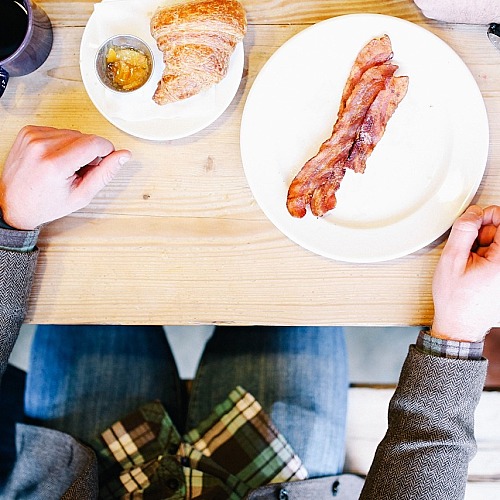
One of the most common surprises for people starting GLP-1 medications is just how little they want to eat. The appetite suppression can be dramatic. Some people describe going from thinking about food constantly to barely remembering to eat lunch. While that sounds like a dream, it comes with a real nutritional challenge: If you’re barely eating, are you getting enough protein? The short answer is probably not.
Why Protein Is Non-Negotiable on GLP-1s
When you lose weight (through any method), you lose both fat and muscle. The goal is to lose as much fat as possible while preserving as much muscle as possible. Muscle is metabolically active, meaning it helps your body burn more calories at rest. It also supports strength, mobility, and long-term health.
Protein is the key to muscle preservation. Without adequate protein, especially when you’re eating significantly less, your body will break down muscle for energy. This can leave you lighter on the scale but weaker, with a slower metabolism, making it harder to keep the weight off long-term.
How Much Protein Do You Actually Need?
General recommendations for people actively losing weight range from 0.7 to 1 gram of protein per pound of goal body weight per day, depending on activity level. So if your goal weight is 160 pounds, you might aim for roughly 112–160 grams of protein daily. For most people on GLP-1 medications who are eating 1,200–1,400 calories a day, hitting that target requires intentional effort and strategy.
Protein-First Eating
The most practical approach is protein first, every meal. Before you eat the rice, the salad, or the bread, eat the protein. On a GLP-1, you have limited stomach real estate. Use it on what matters most.
High-protein foods to prioritize:
Eggs and egg whites
Chicken breast, turkey, lean beef, fish
Greek yogurt, cottage cheese
Edamame, lentils, black beans
Protein shakes and powders (especially useful when appetite is very low)
When You Can Barely Eat at All
Some people, especially early in dose escalation, can barely get down a few bites before feeling full. Nausea and other common GLP-1 side effects can make this even more challenging. In these phases, liquid protein can be a lifesaver. A high-quality protein shake can deliver 25–40 grams of protein in a form that’s easy to get down even when solid food sounds unappealing. Look for options with minimal added sugar and at least 20 grams of protein per serving.
Spacing Protein Throughout the Day
Your body can only use so much protein for muscle synthesis at one time. Most research suggests around 30–40 grams per meal. Instead of trying to hit your target at one sitting, aim to distribute protein across 3–4 eating occasions throughout the day.
Work With a Dietitian if You Can
A registered dietitian who works with GLP-1 patients can help you build a realistic eating plan that meets your protein needs within your calorie intake. This is one of the highest-value investments you can make alongside your medication.
Every Bite Counts More Now
Appetite suppression is a feature, not a license to barely eat. Getting adequate protein is crucial for preserving muscle, supporting long-term metabolism, and supporting your long-term progress. Make protein the non-negotiable anchor of every meal and snack.




Leave a Comment
Your email address will not be published. Required fields are marked *