
You’ve spent three years meal prepping every Sunday, tried innumerable fad diets, and logged six months of calorie counting that left you exhausted. Every morning starts with the same promise that today will be different, that this time you’ll finally stick with it. You’ve heard about taking GLP-1 medications, but that annoying voice in your head whispers, “That’s cheating.” Real weight loss only counts if it’s hard.
For decades, we’ve been told that weight loss has to be difficult and that medication is the easy way out. However, medical opinion on obesity has changed in recent years. We now understand that for many people, obesity isn’t simply a matter of willpower or discipline. It’s a chronic medical condition influenced by complex biological factors that go far beyond food choices alone.
If you’ve tried multiple approaches without lasting success, you’re part of a much larger picture. Over 1 billion people worldwide now live with obesity, according to the World Health Organization. For people who’ve exhausted traditional methods, the question is which treatment works when diet and exercise fall short.
Why Willpower Alone Usually Doesn’t Work

Diet and exercise are important, and nobody’s arguing that. But pretending they’re the only legitimate way to lose weight ignores how your body works. After all, your body is running complex systems designed to keep you from starving.
A CDC review of six-month lifestyle programs found they produced roughly 5.7 pounds more weight loss than control groups, which can improve health markers. Diet and exercise absolutely work, but it’s a rare person who can keep up that lifestyle for the long term, for a myriad of scheduling, socioeconomic, and physiological reasons. Your body (and the system) essentially sabotages your long-term efforts, making it difficult to stick to a lifelong plan.
Real Treatment for a Real Disease

Considering the global impact of obesity, the medical consensus on adding medication to long-term treatment has shifted dramatically. A Cardiorenal Medicine study found obesity significantly increases the risk of cardiovascular disease, type 2 diabetes, certain cancers, and fatty liver disease. For many people, GLP-1 medications may be life-saving tools that reduce obesity-related disease risk.*
The FDA approved Wegovy for obesity treatment in June 2021. In December 2025, the World Health Organization issued its first guidelines supporting long-term GLP-1 therapy for adults with obesity. The American College of Cardiology noted that GLP-1 medications show the best results among FDA-approved weight loss treatments.* Though research continues into long-term use, these medications have moved well beyond the experimental stage. They’re proven treatments with solid backing.
How These Medications Work

The American Journal of Clinical Nutrition explains that GLP-1 receptor agonists work by mimicking a hormone your gut naturally produces after eating. When food enters your digestive system, your intestines release GLP-1, which travels to your pancreas to help regulate insulin production, signals your brain’s satiety centers to reduce hunger, and slows stomach emptying to keep you feeling full longer. The natural hormone breaks down within minutes, though. The medication versions are designed to last much longer in your body.*
In clinical trials, people taking FDA-approved GLP-1s lost 15–25% of their body weight after a year.* These medications address the biological barriers that make sustained weight loss so difficult through several mechanisms:
Appetite regulation: Signals your brain that you’re full, reducing hunger between meals
Delayed gastric emptying: Slows how quickly food leaves your stomach, keeping you satisfied longer
Reduced cravings: Decreases brain responses to high-calorie foods in reward-related regions, according to MRI research
Stabilized blood sugar: Stimulates insulin release when needed and reduces glucagon (a hormone that raises blood sugar); more stable glucose levels can reduce insulin-driven fat storage
Common Questions About GLP-1 Treatment
Who can get GLP-1 medications?

Generally, you may qualify with a BMI of 30+ or BMI 27+ if you have a weight-related condition like high blood pressure, type 2 diabetes, or sleep apnea. Your healthcare provider can determine appropriateness after reviewing your complete health history.
The Eden GLP-1 Weight Loss Program is available to adults with a BMI of 25 or higher and connects you with board-certified doctors for same-day online consultations. Eden sources compounded GLP-1 therapies through state-licensed pharmacies and provides 24/7 messaging access to a Dedicated Care Team. Eden Membership also includes a Private Health Hub for managing your treatment, a one-on-one Member Experience Consultation, and access to Eden Collective, a private member community. Providers review your medical history, current medications, and health goals before making any recommendations.
How much does GLP-1 treatment cost?

Brand-name FDA-approved medications like Ozempic® and Wegovy® can cost $900 to $1,700 per month without insurance. Manufacturer savings programs and insurance coverage can reduce out-of-pocket costs for some people.
Through Eden, compounded semaglutide is $99/month, and compounded tirzepatide is $199/month, when prescribed.** The price stays the same regardless of dose increases. An Eden Membership is required, starting at $39 for the first month and renewing at $99/month thereafter. All plans include free expedited shipping, and no contracts are required.
What side effects should I expect?

The most common side effects include nausea, vomiting, diarrhea, and constipation, especially when starting treatment or increasing doses. These symptoms often improve as your body adjusts. More serious but rare side effects can include pancreatitis, gallbladder problems, and kidney issues. GLP-1 medications also carry a boxed warning about thyroid C-cell tumors.° It’s important to discuss all your medications and health history with your provider.
Do I need to change my diet and exercise?

Yes. GLP-1 medications work best with lifestyle changes, not as a replacement for healthy habits. The American Diabetes Association emphasizes that successful long-term weight management requires both medication support and sustainable nutrition and physical activity changes.
Eden’s Dedicated Care Team is available around the clock to answer questions and provide ongoing guidance to support your treatment plan.
What happens when I stop taking GLP-1 medications?

Some weight regain is common when GLP-1 treatment ends, but the amount varies significantly. It depends on whether you’ve established sustainable eating and activity patterns during treatment.
The World Health Organization recognizes obesity as a chronic condition that may require long-term treatment. Researchers continue studying safe discontinuation approaches and long-term effects to weigh risk versus benefit of chronic use.
How do I know if a GLP-1 program is legitimate?

Verify that licensed healthcare providers review your medical history and make prescribing decisions; avoid automatic approvals.
Confirm medications come from state-licensed pharmacies.
Look for ongoing medical support, not just an initial prescription and shipping.
The Eden GLP-1 Weight Loss Program connects patients with board-certified physicians, sources compounded GLP-1 therapies through state-licensed pharmacies, and provides 24/7 messaging access to a Dedicated Care Team.
Will I lose muscle mass on GLP-1 medications?

Weight loss from any method includes some muscle loss alongside fat loss. Research suggests combining GLP-1 treatment with resistance training and adequate protein intake may help preserve muscle while losing fat primarily.*
Medical supervision ensures proper nutrition and exercise guidance. Your healthcare provider can recommend appropriate protein targets and strength training routines to maintain muscle during treatment.
Why GLP-1 Treatment Is Smart Healthcare
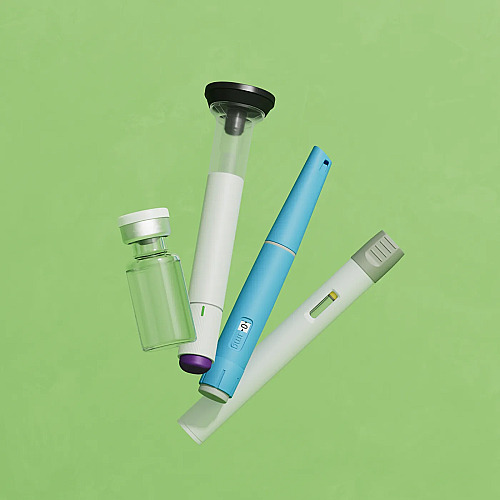
Your decision about taking GLP-1 treatment is smart healthcare, not weakness. You’re choosing proven medicine that addresses the biological mechanisms behind obesity. Medical organizations worldwide now recognize GLP-1s as legitimate treatment, and the science is clear: These medications work with your body’s natural systems to make sustainable weight loss achievable.
Ready to talk to a doctor about GLP-1 treatment? The Eden GLP-1 Weight Loss Program offers same-day consultations with board-certified doctors, transparent pricing, and 24/7 care team access.
*Clinical data and results referenced are based on published research on FDA-approved medications. Individual outcomes vary and are not guaranteed. Only a licensed healthcare provider can determine GLP-1 treatment eligibility and appropriateness based on your complete medical history.







Leave a Comment
Your email address will not be published. Required fields are marked *